
Collaboration with a Croatian writer Luka Bekavac
Modulor Gallery, CEKATE, Zagreb
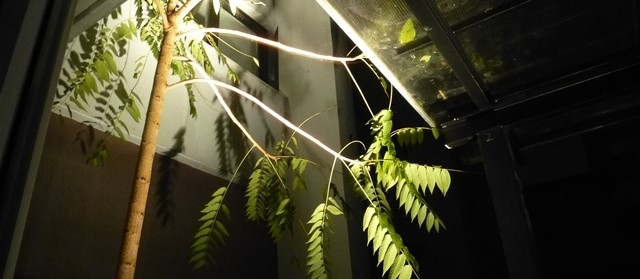
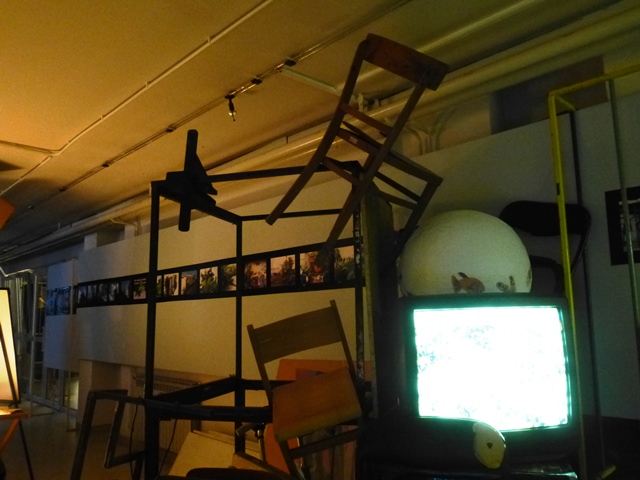
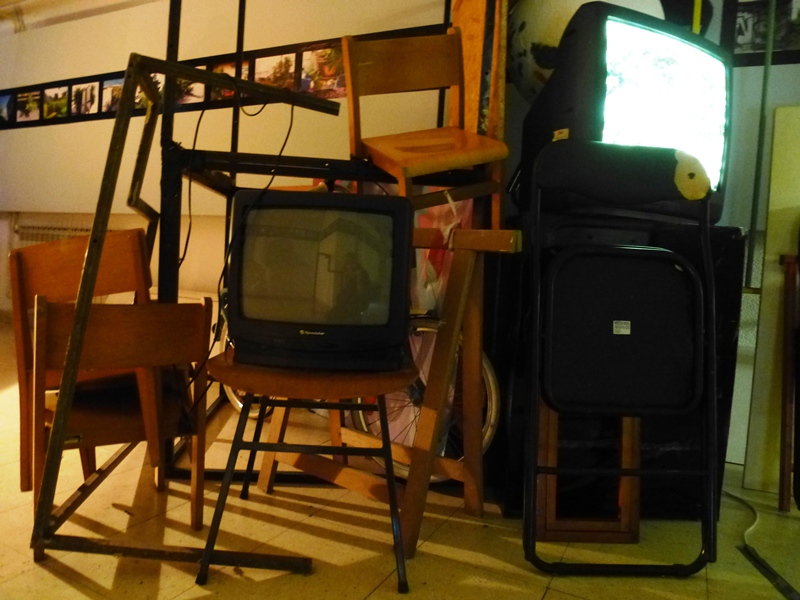
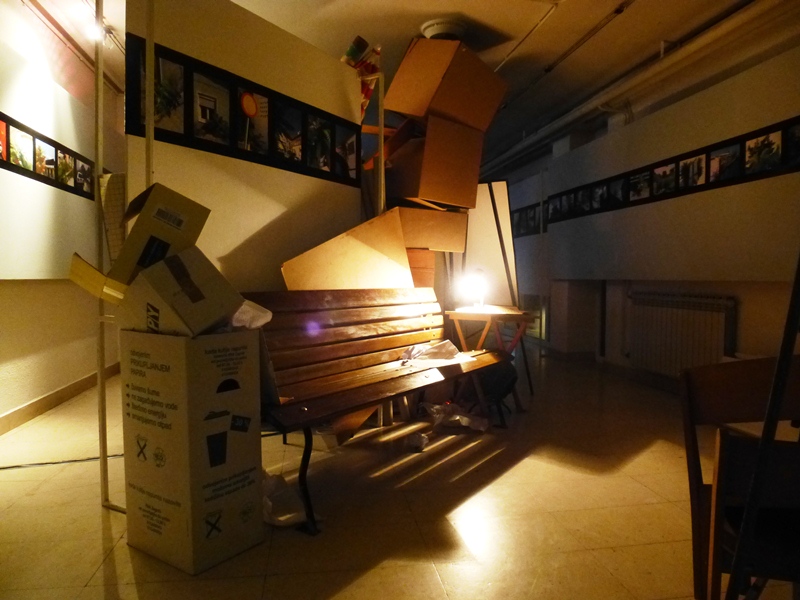
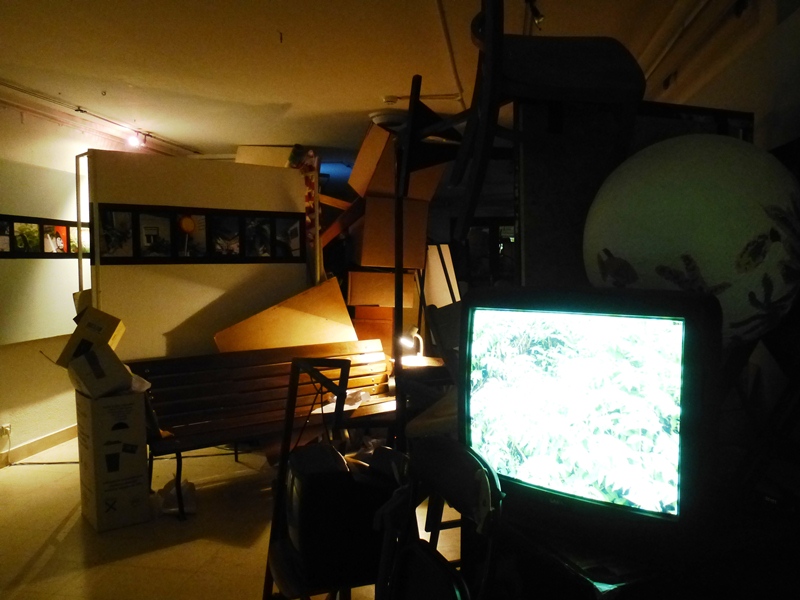
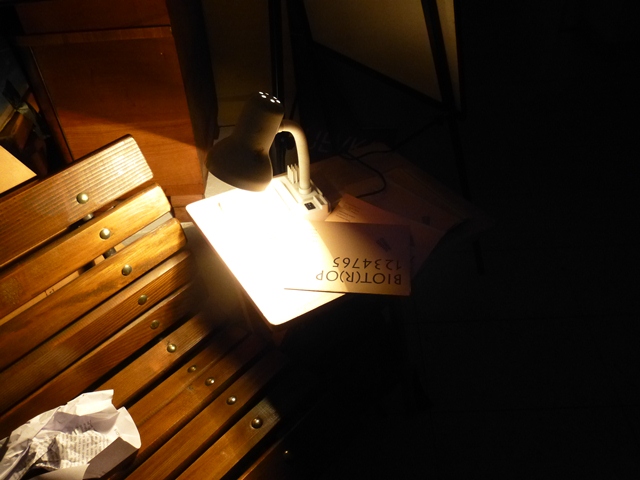

Tonight, the gallery of the cultural center, if it still exists at all, probably looks like a junkyard, an underground tunnel filled with litters, props with no clear purpose, torn posters, photographs, and objects that have lost their attribution forever, all resting among the shadows of sharp leaves, under swaying branches of pajasen1, creating the atmosphere of some kind of destroyed colonial empire in the tropics, in these ruins.
However, it all began long before, when someone remarked that there was “no more room” in Trešnjevka2. Even then, I remember thinking that this was not merely about the catastrophic urban bottlenecks and dead ends, nor the traffic congestion that increasingly made movement impossible—not just for cyclists, but eventually even for pedestrians. It seemed to me that it was about something different: the compression of matter into twisted, distorted forms; a contraction that creates zero points—geometrically immeasurable voids—in the fragmented urban landscape, like pinholes in the worn fabric of our space-time. Like the inversion of flow, these cracks in the urban fabric, began to let something else seep through. It felt as though the slow emergence and growth of a new form started precisely in those places where “there is no room” at all. Like filaments of dark matter, or failures in urban planning blossoming into flowers of pure negation. (Luka Bekavac)
1 Ailanthus Altissima. An invasive tree spreading in the neglected urban plots and corners.
2 Trešnjevka is one of the inner-city neighborhoods of the Croatian capital, Zagreb
The complete text was published as part of the collection of short stories „Galerija likovnih umjetnosti u Osijeku: studije, ruševine“, publisher: Fraktura, Zagreb 2017.
Translation from Croatian by T. Malekovic
 tonka malekovic